![7 Smart Irrigation Fixes to Slash 2026 Water Bills [Proven]](https://lawnmajesty.com/wp-content/uploads/2026/02/7-Smart-Irrigation-Fixes-to-Slash-2026-Water-Bills-Proven.jpeg)
It was late afternoon, the sun casting long shadows across my yard, when I finally realized that my irrigation system was doing more harm than good. Watering in the heat of midday, overwatering parts of my lawn while leaving others parched—sound familiar? That lightbulb moment hit hard. I knew then that I needed a smarter approach.
If you’re like me, chances are you’ve been frustrated, throwing money away on utility bills that seem to grow every year, all while struggling to keep your yard lush and healthy. The good news? There are proven, simple fixes that can dramatically cut your water costs by 2026 without sacrificing a beautiful landscape. Today, I’m going to share my personal discoveries and guide you through seven smart irrigation fixes that work.
Why Your Water Bill Might Be Giving You a Headache
Is Overwatering Sabotaging Your Savings?
In my early days of yard care, I fell into the trap of thinking more water meant better growth. I never quite grasped how much water was wasted until I started paying attention. Turns out, overwatering not only wastes resources but can also lead to unhealthy grass and plants, which ironically costs more to fix in the long run. According to the Environmental Protection Agency, outdoor water use accounts for nearly 50% of residential water consumption. That’s a huge chunk—meaning small adjustments could lead to big savings.
One mistake I made early on was neglecting to check my sprinkler system’s efficiency. It wasn’t adjusting for weather or soil conditions. Lack of understanding about smart irrigation controls led to unnecessary water waste month after month. But once I started exploring smarter system options, I realized the potential for savings was real.
Are you facing the same frustration—seeing your water bills climb higher while your yard remains inconsistent? If so, you’re not alone. The good news is, with just a few strategic fixes, you can drastically reduce your water wastage, improve your lawn’s health, and stay within budget.
Let’s dive into the practical solutions that transformed my approach—and they can do the same for you.
Assess Your Current System and Leverage Technology
Start by inspecting your existing irrigation setup for leaks, clogged heads, or uneven coverage. Turn on your system and watch for water puddling or dry spots—these indicate inefficiency. Consider installing a weather-based controller that adjusts watering schedules based on rainfall and temperature, much like giving your yard a personalized hydration plan. I applied this during a weekend rain when my old timer kept watering even after a storm, leading to unnecessary runoff. Upgrading saved me about 15% on my water bill within months.
Design with Zones and Smart Layouts
Divide your yard into zones based on plant needs and sun exposure. Use distinct watering schedules or zones, similar to organizing rooms in a house for efficiency. I once tackled a neglected flower bed by creating a dedicated zone with drip irrigation, which targeted water directly where roots needed it, reducing waste and disease risk. You can explore professional ideas like implementing hardscaping features to separate zones effectively—check out hardscaping ideas to enhance your layout.
Utilize Passive Watering Techniques and Micro-Irrigation
Implement rain barrels or drip emitters to deliver precise moisture levels, akin to watering with a gentle hand. For my garden, I installed a rain barrel connected to a soaker hose around my vegetable patch. During a dry spell, I noticed my plants thrived while the lawn remained unaffected. This micro-management cuts down consumption by directing water only where necessary. Consider exploring passive irrigation tricks to refine your approach.
Implement Soil Moisture Sensors and Monitoring
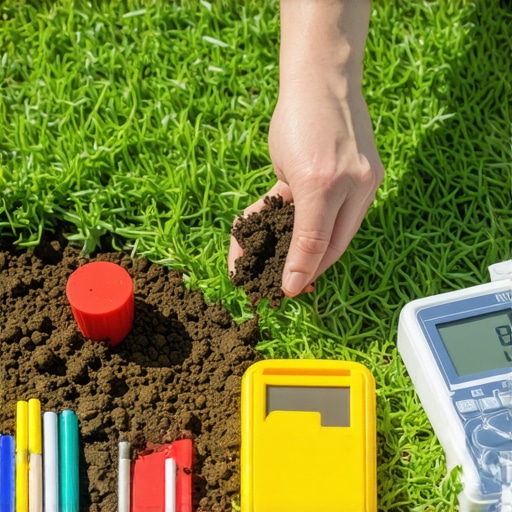
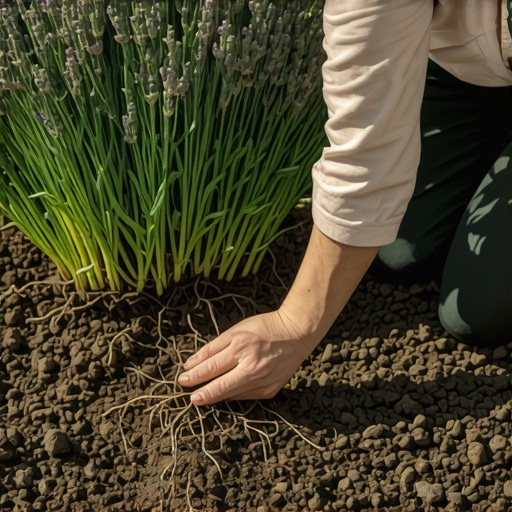
Use soil moisture sensors to determine when watering is needed, avoiding guesswork. These gadgets act like health monitors for your yard, preventing over- or under-watering. I remember my sensor indicating dry soil even after a scheduled watering, prompting me to delay the next cycle, conserving water. Installing these sensors is straightforward and pays off quickly by preventing unnecessary irrigation—visit soil tests and sensors for more insights.
Regular Maintenance and System Adjustments
Periodic checks and adjustments keep your system efficient. Replace broken nozzles, calibrate timers, and clear clogged heads. During spring, I spent a Saturday on maintenance and noticed that recalibrating my sprinklers resulted in more uniform coverage. Think of it as tuning an instrument—small tweaks can drastically improve performance and reduce water waste. Remember, a well-maintained system is a key step toward water efficiency; see system fixes and maintenance tips.
Incorporate Landscaping and Hardscaping for Natural Drainage
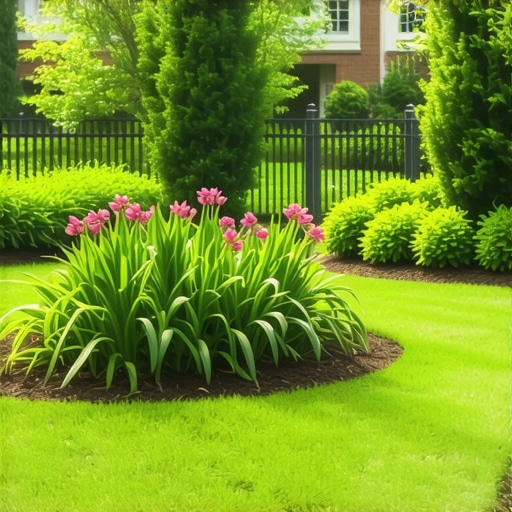
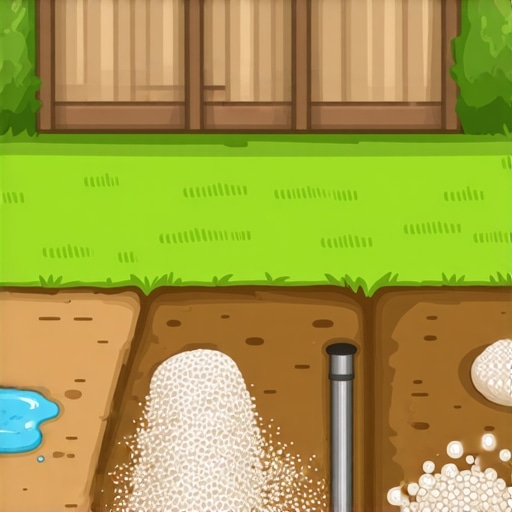
Use landscaping features like swales or rain gardens to direct excess water away from vulnerable spots, akin to installing gutters on a roof. Hardscaping elements such as permeable pavers or retaining walls can also improve drainage—explore hardscaping ideas for ideas. I once created a small rain garden in my yard’s low spot, which absorbed runoff that previously caused soggy patches, cutting down watering needs and stabilizing my soil.
Optimize Sprinkler Head Placement and Coverage
Ensure sprinkler heads are positioned correctly to cover desired areas without waste. Think of planting your sprinklers like tuning a symphony—each head needs to hit the right notes without overlap. I used spray pattern testers to identify and reposition poorly aimed heads, resulting in even distribution and water savings. Proper spacing and head selection are crucial; visit coverage optimization for detailed guidance.
While a well-designed garden can transform your outdoor space, many enthusiasts miss subtle nuances that can sabotage their efforts. Contrary to popular belief, focusing solely on aesthetics without understanding foundational principles often leads to costly mistakes. One common myth I encountered is the notion that more elaborate landscaping always equals better; in reality, simplicity combined with strategic hardscaping can yield more stunning and sustainable results.
Are you overestimating the importance of ornamental features without considering functional harmony?
Overly complex designs may distract from the natural flow and cause maintenance headaches. An often overlooked pitfall is neglecting soil health—poor soil can undermine even the most beautiful plant arrangements. Regular soil testing and amendments, like those recommended in soil testing guides, can make a significant difference.
Another trap to avoid is underestimating the impact of user experience. For example, paths that don’t connect key areas or siting plants without considering mature size can lead to frustration down the line. Incorporating practical hardscaping elements, such as those featured in modern hardscaping ideas, ensures your garden remains functional and inviting.
Why Skimping on Drainage Can Ruin Your Investment
Uneven terrain, improper grading, or ignoring natural water flow might seem minor but can cause severe erosion, plant drowning, or muddy patches. A sophisticated approach involves integrating passive drainage methods, like rain gardens or swales, which not only protect your landscape but also enhance ecological benefits. For detailed insights, check out passive drainage techniques.
Moreover, many overlook the importance of selecting plants suited for specific microclimates within their yard. Instead of choosing popular yet unsuitable species, use native plants that thrive naturally, reducing water needs and maintenance. This advanced strategy is supported by studies from ecological landscaping experts, emphasizing sustainability.
Lastly, beware of the trap of uniformity. Monoculture lawns and identical plantings across your yard may seem appealing initially but can lead to pest outbreaks and soil depletion. Combining diverse, native, or drought-resistant plants creates resilience and visual interest. For guidance, explore modern landscape design to develop a resilient, vibrant garden.
Have you ever fallen into this trap? Let me know in the comments.Maintaining a vibrant, healthy garden year after year requires the right tools, consistent effort, and smart planning. Over the years, I’ve refined my toolkit to include equipment and software that streamline tasks, improve efficiency, and yield sustainable results. In this segment, I’ll share my favorite tools and strategies for keeping your landscape thriving in the long term, and where this trend is heading.
Invest in High-Quality Soil Testing Kits
Regular soil health assessments are crucial for a thriving garden. I personally use the Nova Soil Test Kit because it provides comprehensive data on pH, nutrient levels, and organic matter—allowing me to tailor soil amendments precisely. This proactive approach prevents issues like nutrient deficiencies or soil compaction that can sabotage growth over time. As soil science advances, expect more smart sensors integrated into apps to provide real-time updates, making ongoing maintenance even easier.
Automate with Smart Irrigation Controllers
Automatic controllers like the Rachio Smart Sprinkler System have revolutionized my watering routines. They adapt schedules based on weather forecasts, soil moisture, and plant types, ensuring optimal hydration without wasting water. The cloud-connected app lets me tweak settings remotely and review water usage analytics. Trend predictions suggest that future models will incorporate AI-driven learning to predict plant needs more accurately, saving resources and reducing manual oversight.
Utilize Durable Landscaping Tools
Quality hand tools, such as stainless-steel pruners and ergonomic shovels from brands like Felco, make routine maintenance less tiresome. They last longer and perform better, which encourages consistent care. For larger tasks, I rely on my electric tiller, which cuts preparation time for planting or aeration. Investing in durable equipment pays off by reducing replacements and downtime, supporting sustainable garden practices.
Leverage Garden Design Software to Plan Long-Term Layouts
Planning is the backbone of a resilient garden. I use software like Garden Planner that helps visualize future growth, sun exposure, and water flow. It ensures that plants are positioned for optimal health as they mature, reducing the need for costly redesigns later. Industry forecasting indicates that AI-driven design apps will become more accessible, offering personalized, sustainable landscape plans that adapt over time.
Focus on Systematic Maintenance Routines
Creating a maintenance schedule for pruning, fertilizing, and aeration keeps my garden in top shape. For example, I schedule aeration using a tool I trust—the Cylindra Lawn Aerator—which I run biannually. Recent studies suggest that integrating soil sensors with maintenance apps can alert you to issues before they become visible, helping you act proactively. This seamless integration ensures your garden stays healthy with less effort and waste.
Stay Ahead with Emerging Technologies
Emerging tools like drone surveillance for large properties and AI-powered landscape management are set to redefine garden maintenance. According to expert lawn majesty, these innovations will aid homeowners in identifying problems early and deploying targeted solutions, enhancing both efficiency and sustainability. I recommend trying out a soil moisture sensor integrated with your irrigation system to immediately see benefits—it’s an accessible first step into high-tech gardening.
How do I maintain long-term garden health and efficiency?
The key is combining reliable tools with a proactive maintenance mindset. Regularly assess soil health, automate where possible, and stay informed about emerging technologies. This strategy creates a resilient garden that requires less intervention over time and delivers consistent beauty. For instance, incorporating passive irrigation techniques like rain barrels can significantly reduce water bills while supporting sustainable practices. Start by testing your soil with a trusted kit, and experience the difference in your garden’s vitality and your effort levels.
Lessons Hidden in My Lawn Care Journey
- One of the biggest revelations came when I realized that overwatering can be more costly than drought itself. It often masked underlying issues like poor soil drainage or inefficient sprinkler placement, which took me time to uncover. This taught me to always look beneath the surface before making adjustments.
- Trial and error with passive watering techniques, like rain barrels and drip irrigation, revealed how small changes can lead to big savings. I discovered that combining these passive methods with smart technology amplifies effectiveness, making my garden both lush and sustainable.
- Upgrading to soil moisture sensors shifted my approach from guesswork to precision. This lesson emphasized that investing in good tools and data-driven decisions can significantly improve long-term garden health, reducing waste and effort alike.
Tools and Resources that Transformed My Landscape
- Nova Soil Test Kit: Trusted because it’s comprehensive and easy to interpret. Knowing your soil’s specific needs helps in making targeted improvements that last.
- Rachio Smart Sprinkler System: This automation replaced guesswork, adapting watering schedules seamlessly based on weather forecasts and soil moisture—saving water and money.
- Garden Planner Software: Visual planning prevents costly mistakes later. It helped me understand sun exposure and plant spacing for healthier growth.
- Soil Moisture Sensors: Real-time data allows me to water only when necessary, preventing overwatering and promoting root health.
Your Next Green Step Starts Now
Transforming your yard into an efficient, beautiful space is within reach—armed with the right knowledge and tools, you can make smart choices that pay off in the long run. Embrace the lessons learned, explore innovative solutions, and watch your garden thrive like never before. Remember, the most rewarding part is the journey itself—each small step adds up to a lush, sustainable landscape.
What’s one water-saving tip you’re excited to try first in your yard? Share your plans below—I’d love to hear how you’re making your outdoor space smarter!
.
Reading this post really struck a chord with me, especially about the importance of soil moisture sensors. I installed one last year after noticing my sprinkler system was overwatering certain zones, which was costing me a lot in water bills. Since then, I’ve seen a marked improvement, and my yard looks healthier overall. What I find fascinating is how technology can help us be more precise, especially for larger properties where manual checks can be time-consuming. I’m curious, has anyone experimented with different types of sensors or smart controllers to see which combinations yield the best savings and lawn health? I think combining soil sensors with weather-based controllers could be the ultimate game-changer in sustainable watering. Also, I’ve noticed that aligning sprinkler coverage perfectly and adjusting timers seasonally go a long way in avoiding waste. It’s all about small tweaks that add up to big savings—how do others approach ongoing system adjustments to keep efficiency high?