The Forensic Autopsy of a Dying Lawn
You can see it from the curb before you even put your boots on the ground: that sickly, brownish-yellow haze over a yard that should be a deep, resilient green. When I walk onto a property like this, I’m not looking at the grass blades; I’m looking at the crown of the plant. Scalping isn’t just a bad haircut; it is a mechanical amputation of the plant’s primary energy-producing organ. In 2026, as we face increasingly volatile weather patterns and higher transpiration rates, your mowing height is the difference between a sustainable ecosystem and a dirt patch that requires thousands in chemical inputs to keep on life support. This is about biological reality, not aesthetics.
The Apprentice Lesson: Soil Grading and the Foundation
I always drill into my new crew members: if you don’t fix the soil grading first, every plant you put in the ground is just expensive compost. I remember an apprentice, eager to finish a job, who ignored a slight swell in the grade before seeding a high-end fescue blend. Three months later, the homeowner’s mower deck caught that swell, scalped it down to the dirt, and opened the door for a massive crabgrass infestation. We had to excavate, regrade, and reseed. It was a $2,000 mistake because he didn’t understand that turf grass is an engineered surface. You cannot maintain a consistent mowing height on a finish grade that looks like the surface of the moon.
The Critical 2026 Mowing Height Standards
For Tall Fescue in the 2026 season, you must maintain a height of 3.5 to 4.5 inches to ensure survival against extreme heat and soil moisture evaporation. This height allows the Festuca arundinacea to develop a deep root system, shades the soil to inhibit weed seed germination, and maintains a higher carbohydrate reserve within the plant’s crown.
| Season | Target Height (Inches) | Frequency (Days) | Biological Benefit |
|---|---|---|---|
| Early Spring | 3.5″ | 5-7 | Encourages lateral spread and density. |
| Late Spring | 4.0″ | 6-8 | Prepares plant for heat stress. |
| Summer Peak | 4.5″ | 7-10 | Protects crown from UV damage. |
| Early Fall | 3.5″ | 5-7 | Increases photosynthesis for root recovery. |
| Late Fall | 3.0″ | 10-14 | Prevents snow mold and matting. |
“The height of the cut is directly proportional to the depth of the root system. Scalping reduces the energy available for root maintenance and structural integrity.” – University of Maryland Extension Service
The Cellular Mechanics of Scalping
Why does cutting your fescue too short actually kill it? It comes down to the 1/3 Rule and the plant’s photosynthetic capacity. When you remove more than one-third of the leaf blade at once, you shock the system. The plant immediately stops root growth to redirect all available carbohydrates to leaf regeneration. If you do this repeatedly at a low height, the root system shrivels. In a high-heat environment, a fescue plant with a two-inch root system will desiccate and die within 48 hours without constant irrigation. You are creating a cycle of dependency on water and synthetic fertilizers that eventually leads to soil salt toxicity. I’ve seen it a hundred times. Homeowners think they are being efficient by cutting it low so they can mow less often. The reality? They are killing the very thing they are trying to maintain.
How often should I mow tall fescue in the summer?
During the peak of the 2026 summer heat, you should mow your tall fescue every 7 to 10 days, but only if the grass has reached a height that allows you to maintain a 4.5-inch finish while following the 1/3 rule. If the grass is not growing due to drought-induced dormancy, stop mowing entirely to avoid mechanical stress on the brittle leaf tissue.
The Engineering of the Mower Deck
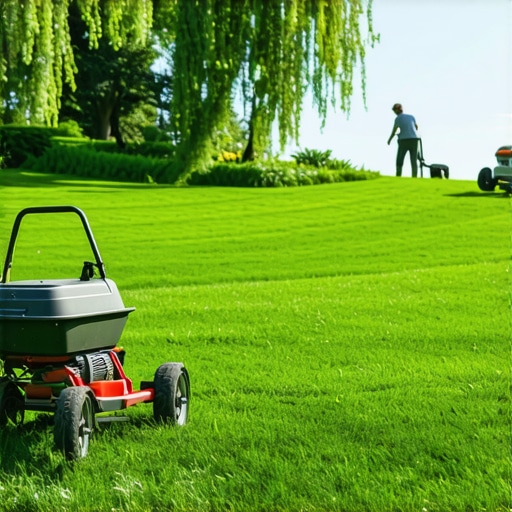
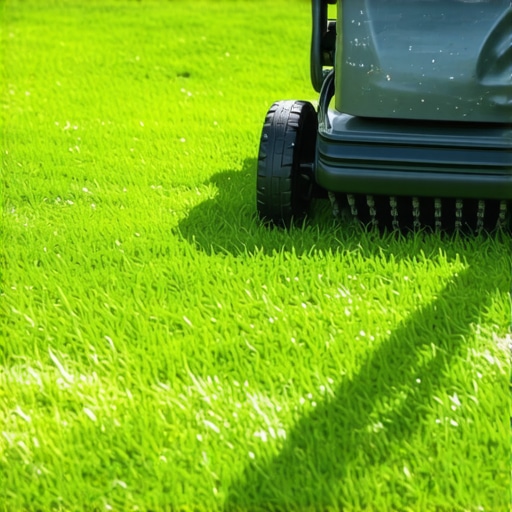
Most homeowners don’t realize their mower is a piece of precision machinery that requires calibration. If your deck is unlevel by even a quarter of an inch, you aren’t cutting; you’re tearing. Dull blades are another plague. A dull blade doesn’t slice the grass; it smashes through the vascular tissue, leaving a jagged edge that increases the surface area for moisture loss and provides an entry point for fungal pathogens like Brown Patch (Rhizoctonia solani). Sharp blades, proper tire pressure (which affects deck height), and a leveled deck are non-negotiable for 2026 lawn care standards.
2026 Mower Maintenance Checklist
- Blade Sharpness: Grind and balance blades every 10-15 mowing hours. No exceptions.
- Tire Pressure: Check PSI weekly; uneven tires lead to an uneven, scalping-prone cut.
- Deck Cleaning: Remove dried clippings to prevent the spread of fungal spores between sessions.
- Height Calibration: Measure from the blade tip to a hard surface, don’t trust the plastic lever on the handle.
“A retaining wall doesn’t fail because of the stone; it fails because of the water trapped behind it, much like a lawn fails not because of the seed, but the mismanagement of the height.” – Hardscape and Agronomy Axiom
Can I fix a lawn that was scalped?
Remediating a scalped lawn requires immediate deep irrigation and an application of a high-quality humic acid to stimulate soil microbiology. Avoid high-nitrogen fertilizers immediately after scalping, as this forces top-growth that the weakened root system cannot support. Allow the grass to grow to at least 5 inches before the next cut to let the plant recover its carbohydrate reserves. [IMAGE_PLACEHOLDER_1] No shortcuts here. If the crown is damaged, you’re looking at an over-seeding job in the fall. The damage is structural.
Soil Microbiology and the Fescue Biome
We need to talk about what’s happening beneath the surface. When you mow at 4 inches, you are creating a canopy. That canopy keeps the soil temperature 10 to 15 degrees cooler than the ambient air temperature. This temperature regulation is vital for the survival of mycorrhizal fungi and beneficial bacteria that fix nitrogen in the soil. Scalping the lawn exposes the soil surface to direct UV radiation, which effectively sterilizes the top inch of the soil, killing the very microbes that help your grass resist disease. You aren’t just cutting grass; you are managing a biological heat shield. Stop treating your lawn like a carpet and start treating it like the living, breathing organism it is. The 2026 season is going to be brutal on those who don’t respect the biology of the turf.
![3 Grass Pickup Fixes for Greener 2026 Culpeper VA Lawns [Tested]](https://lawnmajesty.com/wp-content/uploads/2026/04/3-Grass-Pickup-Fixes-for-Greener-2026-Culpeper-VA-Lawns-Tested.jpeg)