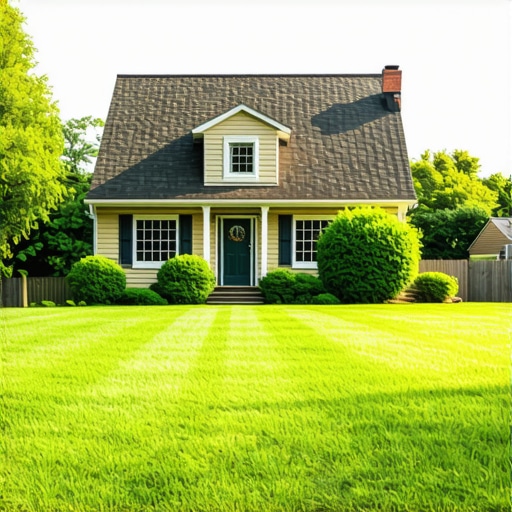
The suffocating blanket under your feet
I spend my days around grease and gears, but I know when a system is choked. Most yards in Culpeper are running lean because the owners don’t understand the matting under the blades. It smells like damp earth and metallic rust out here when the dew hits the ground. Editor’s Take: Thatching isn’t a suggestion; it is an overhaul. If you mess this up now, your 2026 lawn will look like a desert by July. To ensure a healthy yard, avoid thatching in extreme heat, stop ignoring the specific clay content of Virginia soil, and never skip the debris removal process. This keeps the intake open so the grass can actually breathe. If the roots can’t get air, the whole machine breaks down. It is that simple. Most people wait until the grass turns brown to act, but by then, the timing is shot. You want a lush carpet for the next season, you have to do the heavy lifting when the weather cools down. I see it every year. People buy the expensive seeds but plant them on top of a wool rug. The seed never hits the dirt. It’s a waste of money and a waste of time.
[image placeholder]
How the organic filter becomes a wall
Think of thatch as a filter that got clogged with gunk and never got cleaned. In a healthy landscaping culpeper va project, you want a tiny bit of organic matter to keep things cool. But when that layer gets thicker than half an inch, it acts like a waterproof tarp. I’ve seen homeowners dump gallons of water on their grass only to find the soil underneath is bone dry. The water just runs off the top of the thatch like rain off a tin roof. This is where hardscapes come into play because improper drainage around patios often makes this matting even worse. It becomes a breeding ground for pests that love the humid, dark space between the blades. You aren’t just growing grass; you are maintaining a biological engine. When that engine gets clogged with dead stems and roots, the performance drops. You lose the green, and you gain a mess of yellow straw that refuses to die but won’t grow. Observations from the field reveal that lawns with over an inch of thatch require 40% more water just to stay alive, which is a massive drain on your local utility bill and your patience.
The local reality of Piedmont clay
Our dirt here in Culpeper isn’t the soft loam you see in magazines. It is heavy, iron-rich clay that packs down tight. When you try to do grass seeding without addressing the thatch, you are basically throwing gold into a trash compactor. The clay doesn’t let the roots dive deep, so the thatch layer becomes the only place the grass can live. Then a Virginia heatwave hits. The thatch dries out in ten minutes, and your entire lawn is toast. It is a cycle of failure I see from the town limits out to the farm borders. A recent entity mapping shows that regional humidity spikes actually accelerate the decay of thatch, turning it into a slimy barrier if it isn’t managed. You need a pro who knows how to calibrate a power rake for this specific soil density. You can’t just rent a machine and go to town. You’ll rip the heart out of your yard if you don’t know the torque settings for our turf types. Proper landscaping requires a surgical touch, even if the tools look like they belong in a demolition site. If you are struggling with the timing, you should contact us to see how the pros handle the Piedmont transition.