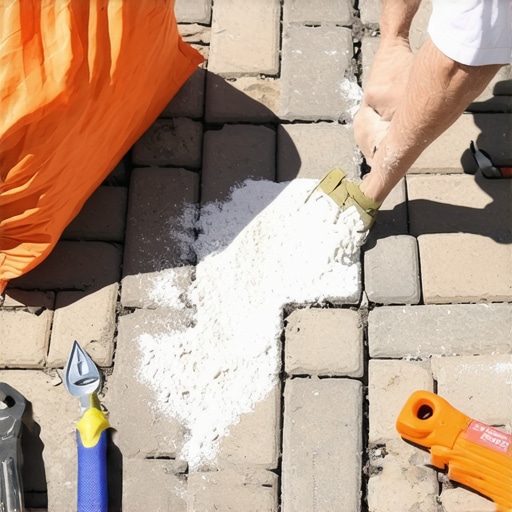
Fix Loose 2026 Paver Steps with This $30 Poly-Sand Hack
The Forensic Autopsy of a Sinking Staircase
To fix loose paver steps in 2026, you must clear out degraded joint material and apply a high-performance polymeric sand that creates a flexible, water-resistant bond. This hardscaping repair prevents lateral movement and inhibits weed growth without requiring a full structural teardown or expensive masonry work.
I recently got called out to tear up a $30,000 patio that was sinking because the previous contractor thought he could get away with using play sand in the joints. The homeowner was nearly in tears. Every time it rained, the bedding layer washed out from under the treads, making the steps a literal deathtrap. When I pulled the first stone, the problem was obvious: zero joint integrity. The water had no path to follow except straight down into the sub-base, turning the modified gravel into a slurry of mud. This is what happens when you ignore the chemistry of your joints. If you don’t lock those stones together, you aren’t building a staircase; you’re just stacking rocks and waiting for gravity to win.
Why Paver Steps Fail in Hard Climates
Paver steps fail primarily due to hydrostatic pressure and joint washout, which leads to differential settlement of the tread stones. When water enters the joints, it saturates the bedding sand. During freeze-thaw cycles, this water expands by 9%, physically pushing the pavers out of alignment. If your joints are empty, there is nothing to stop the lateral force. This is why we use polymeric sand. It is not just sand; it is a blend of graded silica and binder agents that harden when misted with water. It creates a semi-rigid joint that breathes but stays put. It is the glue that keeps your civil engineering project from becoming a pile of rubble.
“A retaining wall doesn’t fail because of the stone; it fails because of the water trapped behind it.” – Hardscape Engineering Axiom
The $30 Polymeric Sand Hack: Precision Application
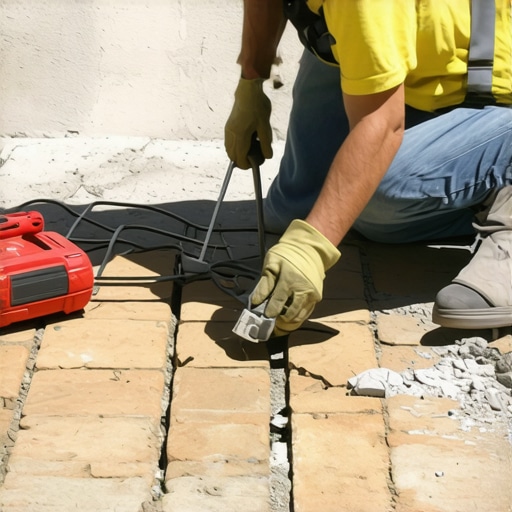
The term “hack” usually implies a shortcut, but in professional circles, it refers to a high-efficiency correction using the right materials. For about $30, you can buy a 50lb bag of professional-grade polymeric sand like G2 or Alliance. This is enough to reset and lock the joints on a standard set of 3 to 5 steps. You must remove the old, loose material to a depth of at least 1 inch. Use a narrow screwdriver or a pressure washer with a 25-degree tip. If you use a pressure washer, the stones must be 100% bone-dry before you apply the new sand. Moisture in the joints during application will activate the polymers prematurely, leaving a white, cloudy residue on your stone that is nearly impossible to remove. This is called ‘hazing.’ Don’t do it.
Comparison of Joint Fillers for 2026 Projects
| Material Type | Durability (Years) | Flexibility | Installation Cost |
|---|---|---|---|
| Polymeric Sand | 5-10 Years | High | $30 – $50 |
| Masonry Mortar | 2-5 Years | None (Cracks) | $20 – $40 |
| Basic Play Sand | <1 Year | High | $5 |
| Stone Dust | 1-2 Years | Low | $10 |
Step-by-Step Restoration Protocol
Follow this checklist exactly. Skip one step, and you will be doing this again next season. I see it every year with DIYers who think they know better than the engineering specs.
- Deep Clean: Excavate joint debris to 1-inch minimum depth.
- Dry Cycle: Wait 24 hours of zero precipitation. The stone must be dry to the touch.
- Overfill: Pour the poly-sand and sweep into joints until they are flush.
- Vibration/Compaction: Use a rubber mallet to tap the stones. This settles the sand into the voids.
- Strike Off: Sweep the excess sand until it is 1/8th inch below the stone chamfer.
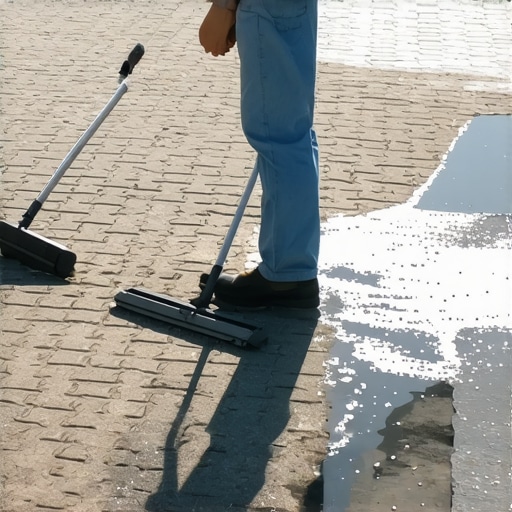
- Mist-Set: Use a garden hose on ‘shower’ mode. Mist for 30 seconds, wait 3 minutes, mist again. Do not flood.
How long does polymeric sand last?
When installed correctly with proper depth and compaction, polymeric sand lasts between 5 and 10 years depending on drainage and UV exposure. You must ensure the paver joints are clear of moss and organic matter before application to maximize the bond between the polymers and the stone sidewalls. If you see cracks after one winter, your base is moving, and the sand is just the symptom, not the cause.
Can you use polymeric sand on old pavers?
Yes, you can apply polymeric sand to aged pavers, provided you remove at least 1 inch of the existing material and ensure the pavers are structurally sound. This is a common landscaping maintenance task to rejuvenate a patio or garden path. The key is the cleaning phase; the new sand needs a clean, dry surface to adhere to the stone edges. If there is leftover stone dust or dirt, the bond will fail within months.
“Joint sand stabilization is essential for the longevity of flexible pavement systems, preventing water infiltration and loss of friction between units.” – ICPI Technical Manual
The science of the joint is what separates a professional hardscaping job from a weekend mess. You need to respect the chemistry. Most big-box store sands are low in polymer content. Spend the extra $10 for the contractor-grade bag. It has higher PSI strength and better adhesion properties. When you mist the sand, you are initiating a chemical reaction that creates a long-chain polymer matrix. This matrix is what resists the freeze-thaw pressure. It is physics, not magic. Keep your steps level, keep your joints full, and keep the water moving away from your foundation. That is how you win in the dirt business. [{“@context”:”https://schema.org”,”@type”:”HowTo”,”name”:”Fix Loose Paver Steps with Polymeric Sand”,”step”:[{“@type”:”HowToStep”,”text”:”Remove old joint material to 1 inch depth.”},{“@type”:”HowToStep”,”text”:”Ensure stone is completely dry.”},{“@type”:”HowToStep”,”text”:”Fill joints with polymeric sand.”},{“@type”:”HowToStep”,”text”:”Compact sand with a rubber mallet.”},{“@type”:”HowToStep”,”text”:”Mist with water to activate polymers.”}]},{“@context”:”https://schema.org”,”@type”:”FAQPage”,”mainEntity”:[{“@type”:”Question”,”name”:”How long does polymeric sand last?”,”acceptedAnswer”:{“@type”:”Answer”,”text”:”Polymeric sand typically lasts between 5 to 10 years when applied to a stable base with proper drainage.”}},{“@type”:”Question”,”name”:”Can I put new poly sand over old sand?”,”acceptedAnswer”:{“@type”:”Answer”,”text”:”No, you must remove the old sand to a depth of at least 1 inch to ensure the new sand can properly bond to the stone sidewalls.”}}]}]