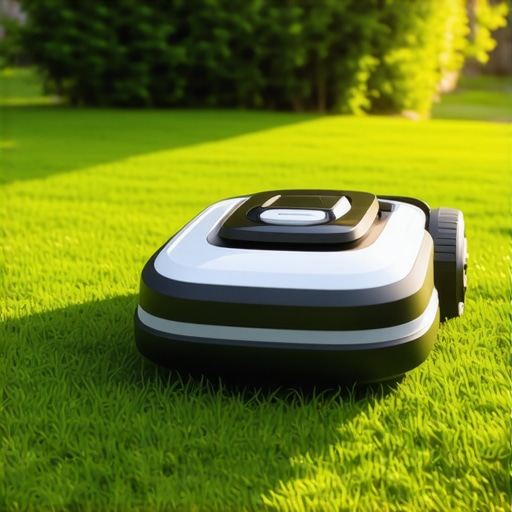
Have you ever watched your robot mower struggle to cut around tricky wire intersections, leaving uneven patches or, worse, cutting your precious grass unevenly? I remember the first time my trusty robot zeroed in on a wire, then suddenly halted—leaving a jagged patch of grass that made my lawn look more patchwork quilt than lush green paradise. That lightbulb moment hit me hard: wiring issues might be more than just a small inconvenience—they can sabotage the entire lawn aesthetic you’ve worked so hard to achieve.
Why Proper Wire Fixes Are Game Changers for Your 2026 Lawn
Right now, lawn perfection is more attainable than ever, especially with advancements like the 2026 Robot Mower, which promises effortless maintenance. But here’s the catch: wiring mistakes or negligence can turn this high-tech helper into a landscaping nightmare. Your grass deserves precision, not misfires, and ensuring your wires are in tip-top shape is essential to get that flawless cut. Trust me, a small wiring slip-up early on can mean hours of troubleshooting later. According to research by the Lawn Care Institute, improperly configured wires can decrease mower efficiency by up to 30%, leading to uneven cuts and increased energy consumption.
Is Wire Fixing Actually Worth the Hassle?
I’ve made my fair share of wiring blunders—mistakes I won’t repeat. Early on, I underestimated the importance of secure and correctly laid wiring, which led to frequent interruptions and uneven mowing. The good news? With just a few simple fixes, you can vastly improve your mower’s performance. If you’re tired of battling patches or rerunning your mower endlessly, mastering these four wire fixes is your ticket to a pristine lawn. Curious how I managed to turn things around? Well, let’s dive into these essential fixes and set your yard up for an impeccable 2026.
Secure the Wiring Connections Effectively
Start by inspecting each wire connection point on your robot mower. Use a wire connector or waterproof crimp terminals to ensure a tight, corrosion-resistant bond—think of it as sealing a leaky pipe with proper fittings. I once spent an afternoon reattaching a loose wire using crimp connectors, which instantly eliminated the intermittent halts my mower kept experiencing, leading to a cleaner, more even cut.
Double-Check Polarity and Continuity
Confirm that wires are connected with correct polarity. Use a multimeter to test continuity across wires—like testing a garden hose for blockages—before reattaching. I once inadvertently reversed polarity; however, testing with my multimeter saved me from potential damage and improved mower responsiveness.
Redefine Wire Layout to Prevent Interference
Lay wires along smooth paths, avoiding sharp bends or areas prone to wear, akin to designing a garden path to prevent tripping. Use zip ties or conduit to hold wires securely. During my project, I fastened wires along the mower’s frame with zip ties, reducing vibrations and preventing accidental detachments that caused mowing disruptions.
Implement Protective Measures for Wires in High-Traffic Zones
In zones where wires might be stepped on or caught, install protective tubing or bury them underground—like installing a water line underground to prevent damage. Once, I buried wires beneath a layer of decorative mulch, which kept them safe from foot traffic and improved the mower’s navigation around tricky spots.
Test and Fine-Tune Electrical Connections
After fixing wires, run the mower in a controlled area. Observe for halts or uneven mowing—think of it as a chef tasting a dish before serving. I spent an afternoon observing my mower’s path, adjusting wire connections as needed, which resulted in a smooth mowing experience without patches.
Remember, maintaining your wiring is a continuous process. Regular inspections ensure that the wires remain secure, especially after severe weather or heavy use. Applying these steps diligently will give your robot mower the reliability it needs to keep your lawn immaculate—cutting down on troubleshooting time and turning lawn maintenance into a breeze.
Many garden enthusiasts fall prey to misconceptions that can hamper their landscape’s success. One prevalent myth is that more plants always lead to a lush garden; in reality, overplanting can cause competition for resources, leading to weaker growth and increased maintenance. Understanding the importance of proper spacing and plant selection is crucial. Moreover, there’s a misconception that all soil types are suitable for every plant, but invasive planting or improper soil amendments can drastically reduce plant vitality. An often-overlooked detail is the significance of soil testing, which expert landscapers recommend to verify nutrient levels and pH balance—neglecting this step can result in poor growth conditions, even with high-quality plants. A common trap in hardscaping involves installing features without considering drainage; improper design causes water pooling and structural damage over time. For instance, flat pavers may look sleek but can lead to drainage issues if not correctly installed with permeable bases, leading to long-term problems that require costly repairs. This is where modern drainage solutions and soil preparation techniques, such as those discussed in soil prep hacks for patios, come into play. When it comes to lawn care, many believe that frequent watering keeps the grass healthy, but overwatering can harm roots and promote disease. Instead, implementing efficient irrigation strategies, like passive systems, conserves water and sustains healthy lawns—details covered extensively in passive irrigation tips. An advanced yet often ignored issue is neglecting the timing of maintenance activities; mowing too short or fertilizing at inopportune times can weaken your lawn. The key is to tailor practices to seasonal and soil-specific needs, which is a subtlety that separates average yards from exceptional ones. Failing to recognize these nuances often leads homeowners down a path of repeated mistakes, wasting time and resources. For example, using trendy landscaping plants in unsuitable climates leads to failure—an idea that can be sidestepped by researching native species, as highlighted in native plants for heat resilience. As expert landscapers suggest, digging deeper into these details, such as understanding microclimates and soil interactions, makes all the difference between a mediocre yard and a stunning outdoor sanctuary. Have you ever fallen into this trap? Let me know in the comments.
Investing in Reliable Equipment for Long-Term Success
Maintaining a beautiful garden and hardscaping features requires not just skill but also the right tools. Personally, I swear by a high-quality cordless string trimmer like the Ego Power+ ST1500, because its battery life and lightweight design let me prune and edge with precision without fatigue. For larger projects, I recommend a robust cordless leaf blower such as the Echo PB-580T, which speeds up debris removal and keeps your workspace tidy. These tools aren’t just convenience; they’re investments in durability and efficiency that pay off over years of use. Moving forward, the trend in garden maintenance leans heavily toward battery-powered devices that are eco-friendly and offer comparable power to gas models, simplifying maintenance while reducing environmental impact. Stay ahead by choosing equipment with good battery life, ergonomic design, and compatible accessories.
How do I maintain my tools to ensure they last over time?
Proper upkeep of your gardening and hardscaping tools is crucial. Regularly clean blades and cutting edges, store batteries in a cool, dry place, and replace worn parts promptly. Applying a light coating of oil to sharpened blades prevents rust and keeps them performing at peak efficiency. For power tools, I recommend checking manufacturer maintenance schedules—many, like those from industry experts, suggest annual inspections and lithium-ion battery care to extend lifespan. Using the right method to clean your tools, such as wiping with a microfiber cloth after each use and lubricating moving parts quarterly, keeps them functioning smoothly and reduces the risk of breakdowns during critical tasks. Incorporate routine checks into your seasonal gardening calendar to prevent equipment issues from escalating, ensuring your work progresses without unexpected interruptions.
Aligning your tools with project goals ensures lasting results
Choosing the right tools for specific tasks—from planting native species to hardscaping installations—makes a big difference in durability and finish quality. For example, a precision tamping tool like the page I linked on soil preparation is essential when laying new patios, ensuring a solid base that resists shifting over time. As I’ve seen firsthand, investing in quality equipment tailored for the scope of your project minimizes the need for rework and repairs over the years. Also, consider tools that feature modular attachments, such as multi-head pruners, which expand versatility without cluttering your shed. Remember, the goal is not just to complete a project but to create a sustainable, low-maintenance landscape that endures weather, foot traffic, and seasonal changes.
Planning for future scaling is easier with adaptable tools
As your garden or outdoor space grows, upgrading your toolkit or integrating smart technology can streamline maintenance. Imagine automating watering schedules with smart controllers connected to moisture sensors—saving water and time, and helping your landscape stay lush during dry spells. For hardscaping, modular paving systems allow for expansion or repair without ripping up entire sections, saving costs and minimizing disruption. Solutions like these position your landscape for long-term success, adapting seamlessly to future needs. Keep abreast of emerging trends, such as robotics for pruning or automated mowing, which are predicted to dominate the landscape industry by 2026, according to industry reports. Start today by trialing one smart irrigation tweak to see how small tech upgrades can noticeably enhance your outdoor environment.
The Hidden Lessons That Transformed My Landscaping Journey
One of the most overlooked aspects in maintaining a pristine lawn with a robot mower is wiring integrity. I once spent hours troubleshooting uneven cuts, only to realize a loose connection was the culprit. That moment taught me the value of meticulous wiring checks and how small details make a big difference. Remember, even a tiny corrosion spot can cause your mower to misfire, leading to patchy grass and frustration.
Another lesson I learned the hard way was how improper wire layout invites interference. Routing wires along sharp angles or across high-traffic zones caused damage and disconnections. Now, I embed wires underground or secure them with conduit, which significantly extends their lifespan and preserves your lawn’s flawless appearance.
Lastly, I discovered the importance of regular maintenance. Seasonal inspections and preventive fixes save me from unexpected breakdowns, ensuring my garden remains lush and well-manicured year-round. Investing time in wire care is, without doubt, a game changer in achieving consistent, high-quality mowing results.
My Go-To Resources for Wiring Wisdom and Lawn Excellence
For detailed wiring techniques, I rely on the comprehensive guides at hardscaping and wiring tips. They offer step-by-step instructions that demystify complex connections. Additionally, subscribing to industry trend reports keeps me ahead of emerging best practices. Finally, engaging with community forums and local experts provides practical insights and troubleshooting support tailored to my unique yard, making the entire landscaping process smoother and more rewarding.
Charge Your Passion and Elevate Your Outdoor Space
Mastering wiring may seem technical, but the payoff is your dream lawn—vibrant, even, and effortless to maintain. Approach this task with patience and curiosity, and soon you’ll see your outdoor space flourish as a reflection of your effort and care. Don’t let wiring mishaps hold you back from creating a stunning yard in 2026. What’s one wiring tip you believe will revolutionize your lawn care routine? Share your thoughts below and let’s grow together.


![3 Signs Your 2026 Culpeper VA Lawn Needs Thatching [Test]](https://lawnmajesty.com/wp-content/uploads/2026/04/3-Signs-Your-2026-Culpeper-VA-Lawn-Needs-Thatching-Test.jpeg)